Top HPMC Factory for Building-Grade in 2025: A Comprehensive Guide and Leading Choices
Introduction to Building-Grade HPMC and Its Significance
Hydroxypropyl Methylcellulose (HPMC) is a critical component in construction, enhancing the performance of products like tile adhesives, mortars, plasters, and self-leveling compounds. Selecting the best HPMC manufacturer ensures top-notch quality, improving water retention, workability, and adhesion. This guide offers a detailed framework for choosing suppliers and highlights top HPMC factories in 2025, spotlighting Shandong Landu New Material Co., Ltd., renowned for its Landercoll® HPMC brand.

Importance of Building-Grade HPMC in Construction
HPMC, a cellulose ether derived from natural cellulose, plays a vital role in enhancing the durability and quality of construction materials. A 2023 MarketsandMarkets report forecasts a 6.2% CAGR for the cellulose ether market, including HPMC, through 2028, fueled by construction demand. Choosing a reliable HPMC supplier ensures consistent quality, adherence to regulations, and cost-effectiveness for projects.
Essential Properties of Building-Grade HPMC
- Water Retention: Prevents early drying, boosting mortar strength.
- Workability: Enhances smoothness and ease of application.
- Adhesion: Promotes strong bonding in tile adhesives and plasters.
- Anti-Slip: Essential for vertical applications such as tile installation.
Selecting the Best HPMC Factory for Building-Grade
Choosing a dependable HPMC supplier involves assessing quality, production capacity, customization options, and support. Below are key factors for identifying the top HPMC factory for building-grade in 2025.
Product Quality and Specifications
High-quality HPMC ensures reliable performance. Consider:
- Purity: Low ash (≤5%) and moisture (≤5%) for stability.
- Viscosity Range: 40,000–200,000 mPa·s, suitable for mortars and adhesives.
- Standards Compliance: Adheres to ASTM or EN standards for construction materials. Tip: Request samples to evaluate performance in cement or gypsum-based formulations.
Production Capacity and Supply Consistency
Construction projects require steady, large-scale HPMC supplies. The ideal HPMC factory should provide:
- High Output: Factories like Shandong Landu produce 20,000 tons of HPMC annually.
- Global Distribution: Efficient logistics for worldwide delivery.
- Scalability: Ability to meet varying project demands.
Customization for Construction Requirements
Different projects demand specific HPMC properties. Look for:
- Custom Viscosity: High-viscosity HPMC for tile adhesives or lower viscosity for self-leveling compounds.
- Solubility Options: Fast- or delayed-dissolving HPMC for specific climates.
- Technical Support: Expert guidance for optimizing formulations.
Certifications and Compliance
Certifications guarantee product safety and quality. Seek:
- ISO 9001: Strong quality management systems.
- Environmental Standards: Sustainable production, as HPMC is biodegradable.
- Construction Standards: Compliance with EN 12004 for tile adhesives.
Cost-Effectiveness and Overall Value
Balancing quality and cost is crucial. The best HPMC factory should offer:
- Competitive Pricing: Affordable without sacrificing quality.
- Bulk Discounts: Available from major producers like Shandong Landu.
- Total Cost: Account for shipping, storage, and consistency.
Reputation and Customer Support
A supplier’s reputation indicates reliability. Look for:
- Positive Reviews: Check platforms like Alibaba for feedback.
- Technical Support: Responsive teams for formulation assistance.
- Established Presence: Suppliers like Shandong Landu, founded in 2008, have a proven track record.
Top HPMC Factories for Building-Grade in 2025
Here are the leading HPMC manufacturers for building-grade, with a focus on Shandong Landu and other key players.
Shandong Landu New Material Co., Ltd. (Landercoll®)
Overview: A top Chinese manufacturer specializing in construction-grade HPMC under the Landercoll® brand, known for superior water retention, workability, and eco-friendly practices. Key Features:
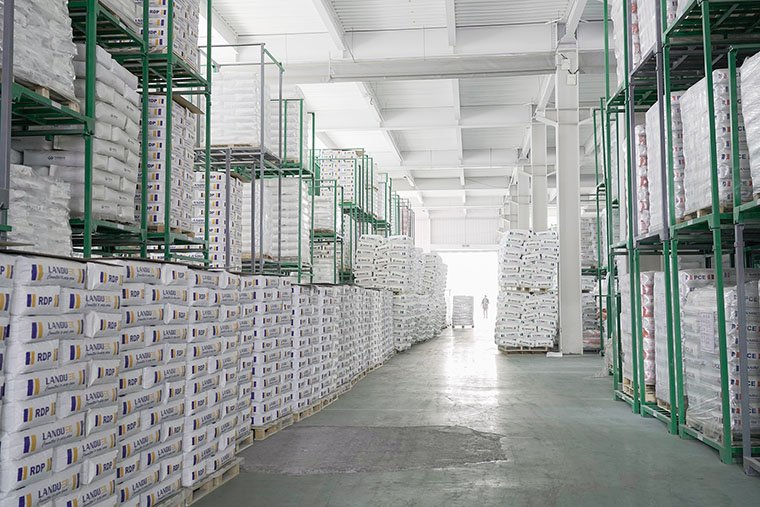
- Production Capacity: 20,000 tons of HPMC annually, with three production bases totaling 75,000 tons for cellulose ethers and VAE polymers.
- Viscosity Range: 40,000–200,000 mPa·s, ideal for mortars, tile adhesives, and plasters.
- Certifications: ISO 9001, SGS, and EU REACH, ensuring global compliance.
- Sustainability: Employs MVR wastewater treatment for zero waste emissions.
- Customization: Provides tailored HPMC grades and free samples (200–600g) for testing. Why Choose Landu: High production capacity, global distribution to 60+ countries, and advanced R&D in Jinan ensure quality and innovation.
Visit Landu’s website for pricing and samples.
Kemox (Hebei Derek Chemical Limited)
Overview: A prominent Chinese supplier offering construction-grade HPMC with excellent water retention and adhesion. Key Features:
- Viscosity: 40,000–200,000 mPa·s.
- Capacity: Over 20,000 tons annually, exported to 60+ countries.
- Certifications: ISO 9001. Why Choose Kemox: Dependable supply and robust customer support for large-scale projects.
Matecel (Shandong Matecel New Materials Co., Ltd.)
Overview: Focuses on customized HPMC for construction, particularly for cement and gypsum-based products. Key Features:
- Tailored viscosity and solubility for tile adhesives and EIFS.
- Global distribution and technical support. Why Choose Matecel: Ideal for specialized construction applications requiring custom solutions.
Kima Chemical Co., Ltd. (Cellulosix)
Overview: A leading producer of cellulose ethers, offering high-quality HPMC under the Cellulosix brand. Key Features:
- Capacity: 20,000 tons annually.
- Certifications: ISO 9001 and environmental standards.
- Applications: Mortars, plasters, and self-leveling compounds. Why Choose Kima: Consistent quality for high-volume projects.
Visit Kima Chemical’s website.
Sidley Chemical Co., Ltd.
Overview: A reliable supplier providing construction-grade HPMC with excellent adhesion and water retention. Key Features:
- Tailored HPMC for tile adhesives and mortars.
- ISO-certified with competitive pricing.
- Global supply chain. Why Choose Sidley: Balances affordability and quality for mid-to-large projects.
Explore Sidley Chemical’s website.
Recommended Supplier: Shandong Landu and Landercoll® HPMC
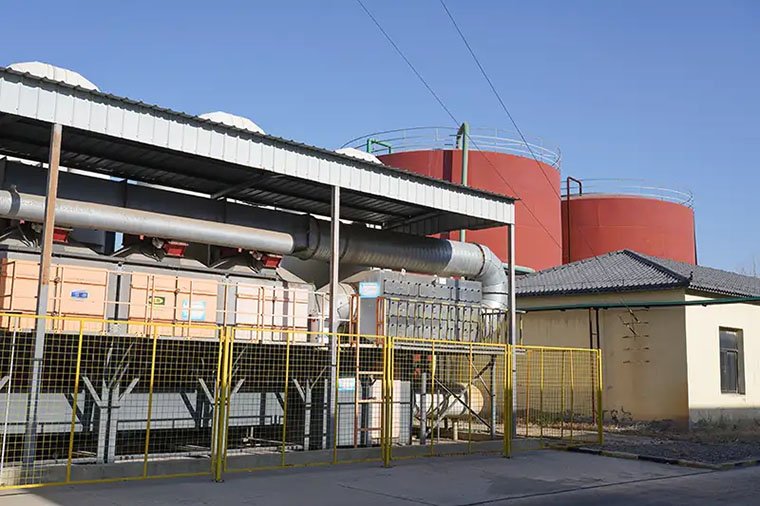
Among the top choices, Shandong Landu New Material Co., Ltd. stands out as the premier HPMC factory for building-grade in 2025, particularly for our Landercoll® HPMC brand. Established in 2008, Landu operates three production bases in Shandong and Hebei, with a total capacity of 75,000 tons, including 20,000 tons of HPMC. Our Landercoll® HPMC excels in water retention, workability, and adhesion, making it perfect for tile adhesives, mortars, and plasters. Certified with ISO 9001, SGS, and EU REACH, Landu meets global standards. Our R&D center in Jinan and sustainable practices, like MVR wastewater treatment, make us a leader in eco-friendly HPMC production.

Why Choose Shandong Landu’s Landercoll® HPMC?
-
Quality Assurance: Strict quality control ensures high purity and consistency.
-
Customization: Tailored viscosity and solubility for specific construction needs.
-
Scalability: 20,000-ton HPMC capacity supports large projects without delays.
- Global Reach: Exports to 60+ countries with efficient logistics.
-
Support: Free samples (200–600g) and expert technical guidance.
For businesses seeking high-performance, reliable HPMC, Shandong Landu’s Landercoll® is the top choice. Visit Landu’s website to request samples or customized formulations.
Conclusion: Selecting the Ideal HPMC Factory for Construction
Choosing the best HPMC factory for building-grade in 2025 requires evaluating quality, capacity, customization, and support. Shandong Landu, with its Landercoll® HPMC, leads the industry with high-quality products, sustainable practices, and global reach. Other reliable suppliers like Kemox, Matecel, and Kima Chemical also provide solid options. By focusing on water retention, workability, and compliance, businesses can ensure project success. Contact Shandong Landu today to explore their Landercoll® HPMC for your construction needs.


HPMC Applications in Household Cleaners: Formulation Strategies for Manufacturers
Introduction to HPMC in Home Care Products

In the competitive world of household cleaning products, we’ve observed that formulation excellence is the key differentiator for successful manufacturers. Hydroxypropyl methylcellulose (HPMC) has emerged as one of our industry’s most versatile ingredients, offering remarkable functional benefits across various cleaning applications. As manufacturers ourselves, we understand the challenges of creating products that meet consumer demands for effectiveness, sustainability, and value.
HPMC, a non-ionic cellulose ether, provides critical functionality in modern cleaning formulations. We’ve found it particularly valuable for its thickening, binding, film-forming, and stabilizing properties. These characteristics make it an essential component in products ranging from liquid detergents to concentrated cleaners and specialized surface treatments. By incorporating HPMC effectively, we can enhance product performance while potentially reducing costs and improving sustainability profiles.
Understanding HPMC Properties for Cleaning Formulations
HPMC Viscosity Control Benefits
One of the primary reasons we incorporate HPMC into our formulations is its exceptional viscosity control. We can select specific grades to achieve precise flow characteristics – from pourable liquids to gel-like consistencies. This versatility allows us to create products with optimal dispensing properties and surface cling time, enhancing cleaning effectiveness. The pseudoplastic nature of HPMC solutions means our products can thin under shear stress (during pouring or pumping) but recover viscosity when at rest on surfaces.
Temperature Stability and pH Tolerance
In our experience, HPMC demonstrates remarkable stability across varying conditions. We’ve successfully utilized it in formulations exposed to temperatures between 5°C and 40°C without significant performance degradation. This temperature stability ensures consistent product performance regardless of storage conditions or seasonal variations.
Additionally, HPMC’s broad pH tolerance (typically effective from pH 3-11) gives us formulation flexibility. We can develop acidic bathroom cleaners or alkaline degreasers using the same HPMC grade, simplifying our inventory management while maintaining performance integrity.
Rheology Modification Capabilities
As rheology modifiers, HPMC polymers help us create cleaning products with ideal flow properties. We’ve found that appropriate HPMC selection can provide:
- Improved suspension of abrasive particles or active ingredients
- Enhanced spray pattern uniformity
- Better vertical surface cling
- Reduced splashing during application
These rheological benefits translate directly to improved user experience and cleaning effectiveness, giving our products a competitive edge in the marketplace.
Applications in Different Household Cleaner Types

HPMC in Liquid Detergents
In our liquid detergent formulations, we typically incorporate HPMC at concentrations of 0.3-1.0%. At these levels, we achieve several benefits:
- Stabilization of surfactant systems
- Prevention of phase separation during storage
- Improved pouring characteristics
- Enhanced deposition of active ingredients on surfaces
We’ve found that low-viscosity HPMC grades work particularly well in liquid laundry detergents, while medium-viscosity grades are ideal for dishwashing liquids where thicker consistency is preferred.

HPMC in Concentrated Cleaners
The trend toward concentrated cleaners presents unique formulation challenges that HPMC helps us overcome. In these high-active-content products, we typically use HPMC at 0.5-1.5% to:
- Maintain stability of concentrated active ingredients
- Control viscosity for accurate dosing
- Prevent ingredient separation during storage
- Ensure proper dilution behavior when used by consumers
Our concentrated formulations benefit from HPMC’s ability to maintain performance even when diluted, ensuring consistent cleaning results at the point of use.

HPMC in Hard Surface Cleaners
For hard surface cleaners, we’ve discovered that HPMC provides exceptional benefits at concentrations of 0.2-0.8%. These include:
- Extended contact time on vertical surfaces
- Reduced evaporation of active ingredients
- Improved streak-free performance
- Enhanced removal of particulate soils
The film-forming properties of HPMC also help minimize redeposition of soils, resulting in cleaner surfaces with less scrubbing required.
Formulation Considerations and Dosage Guidelines
Different HPMC Grades for Detergents
In our formulation work, we select from several HPMC grades based on specific application requirements:
- Low-viscosity grades (3-15 mPa·s): Ideal for thin liquids and spray cleaners
- Medium-viscosity grades (15-50 mPa·s): Perfect for standard liquid detergents
- High-viscosity grades (50-100+ mPa·s): Best for concentrated gels and thick cleaners
The methoxyl and hydroxypropyl substitution levels also influence performance characteristics, with higher hydroxypropyl content improving solubility in cold water and compatibility with surfactants.


Optimal Dosage Recommendations
We’ve established these general dosage guidelines through extensive testing:
- Liquid detergents: 0.3-0.8%
- Concentrated cleaners: 0.5-1.5%
- Hard surface cleaners: 0.2-0.8%
- Bathroom cleaners: 0.4-1.0%
- Kitchen degreasers: 0.3-0.7%
These recommendations provide starting points, but we always recommend optimization based on specific formulation requirements and performance targets.
Cost-Effectiveness Analysis
While HPMC represents an additional ingredient cost, our analysis shows it delivers excellent return on investment through:
- Reduced levels of more expensive ingredients (surfactants, solvents)
- Improved stability leading to longer shelf life
- Enhanced performance allowing premium positioning
- Simplified manufacturing processes
In our experience, the 0.3-0.7% additional cost for HPMC inclusion typically yields 5-15% improvements in overall formulation cost-effectiveness when all factors are considered.


Sustainable Formulation Strategies with HPMC
Environmental considerations have become increasingly important in our industry. HPMC supports our sustainability goals through:
- Biodegradability (typically >90% in 28 days)
- Plant-derived raw material source
- Reduction of petroleum-based ingredient requirements
- Compatibility with other sustainable ingredients
We’ve successfully developed concentrated formulations with HPMC that reduce packaging waste and transportation emissions while maintaining or improving cleaning performance.
LANDU’s LANDERCOLL HPMC Solutions for Sustainable Formulations
At LANDU, our LANDERCOLL HPMC product line has been specifically engineered to meet the demanding requirements of modern household cleaner formulations. Our grades offer superior dissolution characteristics, exceptional batch-to-batch consistency, and optimized performance in cleaning applications.
LANDERCOLL HPMC stands out for its:
- Precisely controlled viscosity profiles
- Enhanced compatibility with common surfactant systems
- Superior stability across temperature ranges
- Excellent cost-performance ratio

Conclusion: Why Choose LANDERCOLL HPMC from LANDU
Throughout this article, we’ve explored the numerous benefits and applications of HPMC in household cleaning formulations. As manufacturers ourselves, we understand the challenges of creating effective, sustainable, and cost-competitive products in today’s market.
LANDU’s LANDERCOLL HPMC offers the perfect solution for manufacturers seeking to enhance their cleaning product formulations. Our technical team provides comprehensive support from concept to commercialization, ensuring optimal results for your specific applications.
To experience the LANDERCOLL difference in your formulations, contact our technical sales team today. We offer sample kits, technical documentation, and formulation assistance to help you leverage the full potential of HPMC in your next generation of household cleaning products.
Choose LANDU LANDERCOLL HPMC – where quality, performance, and innovation converge to create exceptional cleaning formulations.


Solicite hoje mesmo amostras gratuitas do nosso HPMC para argamassas colantes
Introdução e Contexto
A argamassa colante é um componente crucial na construção civil, e a qualidade de seus ingredientes determina diretamente o sucesso e a durabilidade de qualquer projeto. Neste cenário, a Hidroxipropilmetilcelulose (HPMC) assume um papel de destaque.
Definição e Importância do HPMC em Argamassas Colantes
O HPMC é um polímero derivado da celulose, quimicamente modificado para conferir propriedades únicas às argamassas colantes. Funciona como um aditivo multifuncional, melhorando a trabalhabilidade, retenção de água, adesão e outras características essenciais.
| Fato | Dado/Estatística |
|---|---|
| Crescimento do Mercado de Argamassas | Espera-se um crescimento de 5% ao ano até 2028, impulsionado pela expansão da construção civil. |
| Impacto do HPMC na Adesão | Aumenta até 30% a resistência de adesão. |
| Retenção de Água | Aumenta a retenção de água em até 95%. |
| Trabalhabilidade | Reduz o esforço de aplicação em até 20%. |
Tendências e Significado da Aplicação
O mercado de argamassas colantes está em constante evolução, com demanda por produtos mais eficientes, sustentáveis e fáceis de usar. O HPMC permite:
- Maior desempenho: Melhor adesão, resistência e durabilidade.
- Facilidade de aplicação: Menor tempo e esforço no assentamento.
- Sustentabilidade: Uso em formulações eco-friendly.
Principais Funções do HPMC em Argamassas Colantes
- Retenção de Água: Controla a hidratação do cimento.
- Trabalhabilidade: Melhora a consistência e plasticidade.
- Adesão: Aumenta a força de ligação com o substrato.
- Resistência à Fissuração: Reduz fissuras, prolongando a vida útil.
- Resistência ao Deslizamento: Evita o deslizamento de peças.
Considerações Cruciais ao Escolher HPMC
- Viscosidade: Escolha adequada para a consistência desejada.
- Grau de Substituição: Influencia solubilidade e retenção de água.
- Pureza: Evite impurezas que comprometam a qualidade.
- Compatibilidade: Verifique com outros componentes.
- Suporte Técnico: Escolha fornecedores com suporte especializado.
Aplicação de HPMC em Formulações de Argamassas Colantes
| Tipo de Argamassa | Aplicação | Dosagem de HPMC (%) | Benefícios do HPMC |
|---|---|---|---|
| AC-I | Assentamento de revestimentos cerâmicos em áreas internas. | 0,2 – 0,4 | Melhora a trabalhabilidade e retenção de água. |
| AC-II | Assentamento de revestimentos cerâmicos em áreas externas e internas. | 0,3 – 0,5 | Aumenta adesão e resistência ao deslizamento. |
| AC-III | Assentamento de porcelanatos e pedras naturais. | 0,4 – 0,6 | Otimiza adesão em substratos difíceis. |
| Argamassa para Porcelanato | Assentamento de porcelanatos de grandes formatos. | 0,5 – 0,8 | Evita desplacamento e garante durabilidade. |
| Argamassa Epóxi | Revestimentos em áreas com alta umidade. | 0,1 – 0,3 | Melhora a trabalhabilidade em superfícies verticais. |
Solução de Problemas Comuns na Produção e Aplicação
- Argamassa Secando Rápido: Aumentar a dosagem de HPMC.
- Baixa Adesão: Ajustar compatibilidade da formulação.
- Deslizamento de Peças: Usar HPMC com maior viscosidade.
- Fissuras: Escolher HPMC com maior flexibilidade.
- Dificuldade de Aplicação: Ajustar dosagem de HPMC.
Hidroxipropilmetilcelulose (HPMC) e Argamassa Colante: Uma Combinação Essencial

A escolha do HPMC certo é crucial para garantir o sucesso de sua argamassa colante. Ao considerar fatores como viscosidade, grau de substituição e compatibilidade, você pode criar um produto de alta performance que atenda às necessidades do mercado.
Conclusão e Recomendações: Por Que Escolher a SHANDONG LANDU?
O HPMC é um aditivo essencial para argamassas colantes de alta qualidade, e a escolha do fornecedor certo pode fazer toda a diferença. A SHANDONG LANDU se destaca como uma excelente opção por diversos motivos:
- Qualidade Superior: HPMC de alta pureza e desempenho comprovado.
- Suporte Técnico Especializado: Equipe de especialistas para auxiliar na otimização de sua formulação.
- Variedade de Produtos: Ampla gama de HPMC para atender às diferentes necessidades de sua produção.
- Preços Competitivos: Excelente relação custo-benefício.
- Entrega Rápida e Confiável: Compromisso com prazos e logística eficiente.


Hydroxypropyl Methylcellulose (HPMC): Versatile Advantages and Applications in Pharmaceutical Excipients
Still struggling with choosing pharmaceutical excipients? Hydroxypropyl Methylcellulose (HPMC) is becoming an indispensable key component in the modern pharmaceutical industry due to its unique multifunctional advantages. As a sales manager at Shandong Landu, I will take you deep into the wonders of HPMC and show you how our UQUICK brand HPMC drives innovation and enhancement in drug formulations!
What is Hydroxypropyl Methylcellulose (HPMC)?
Hydroxypropyl Methylcellulose (HPMC) is a non-ionic cellulose ether derived from natural polymer cellulose through a series of chemical modifications. It typically appears as a white or off-white fibrous powder or granules, odorless, tasteless, and non-toxic. HPMC is easily soluble in cold water, and some grades are also soluble in organic solvents.
As a versatile pharmaceutical excipient, HPMC plays a crucial role in drug formulations, improving not only the physical properties of drugs but also their efficacy and safety.
Key Roles of Hydroxypropyl Methylcellulose in Pharmaceutical Excipients
1. Binder: Enhancing Tablet Strength
HPMC, as a binder, enhances the binding force between raw material powder particles in tablets, significantly improving the mechanical strength and integrity of tablets. This is critical for ensuring tablet stability during production, transportation, and storage. According to Pharmaceutical Excipient Application Technology, selecting HPMC with appropriate viscosity can optimize tablet hardness and disintegration time.
LANDU UQUICK™ HPMC is widely used in tablet production, effectively preventing issues like tablet loosening or cracking.
2. Thickener and Suspending Agent: Improving Liquid Formulations
In liquid formulations, HPMC effectively increases system viscosity, improving drug dispersion and suspension, preventing drug precipitation, and enhancing drug stability. Its suspending effect is particularly crucial for suspensions. appropriate amounts of HPMC can effectively prevent drug particle aggregation and sedimentation in liquids.
LANDU UQUICK™ HPMC offers various viscosity grades to meet the needs of different liquid formulations.
3. Film-Forming Agent: Creating Perfect Film Coatings
HPMC has excellent film-forming properties and is commonly used as a film-coating material for tablets or granules. HPMC coatings not only improve the appearance of drugs but also control drug release, providing moisture resistance, air isolation, and prevention of bitter taste leakage. Film coating has become an essential technique in modern drug formulations. Handbook of Pharmaceutical Controlled Release Technology details the applications and advantages of HPMC in film coating.
LANDU UQUICK™ HPMC forms transparent, uniform films with high mechanical strength, providing perfect protection for your drugs.
4. Sustained-Release Matrix Material: Achieving Precise Controlled Release
In sustained- and controlled-release formulations, HPMC forms a gel matrix to regulate drug release rates, achieving sustained or controlled release. This technology extends drug efficacy, reduces dosing frequency, and improves patient compliance. Ren Qi and Shen Huifeng in Applications of Hydroxyethyl Cellulose Excipients in Drug Formulations note that HPMC matrix sustained-release technology is one of the mainstream techniques in the field of controlled-release formulations.
LANDU UQUICK™ HPMC can be customized to different specifications to meet your sustained- and controlled-release needs.
5. Other Applications
In addition to the main applications above, HPMC is also used as a material for capsule production, a thickener in ophthalmic formulations, and a matrix material for transdermal patches, among other wide-ranging applications.
Why Choose LANDU UQUICK™ HPMC?
With numerous HPMC brands on the market, why should you trust LANDU?
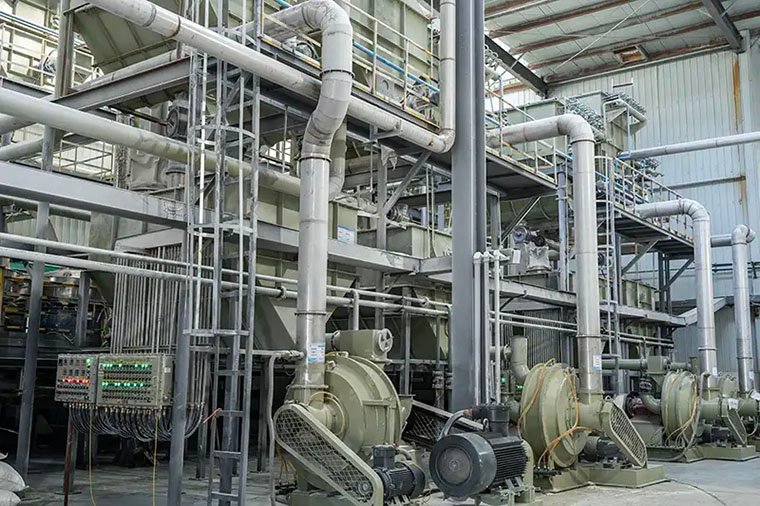
- Superior Quality: We strictly control every aspect of the production process to ensure stable and reliable product quality.
- Wide Range of Specifications: We offer HPMC products in various viscosity grades to meet your diverse application needs.
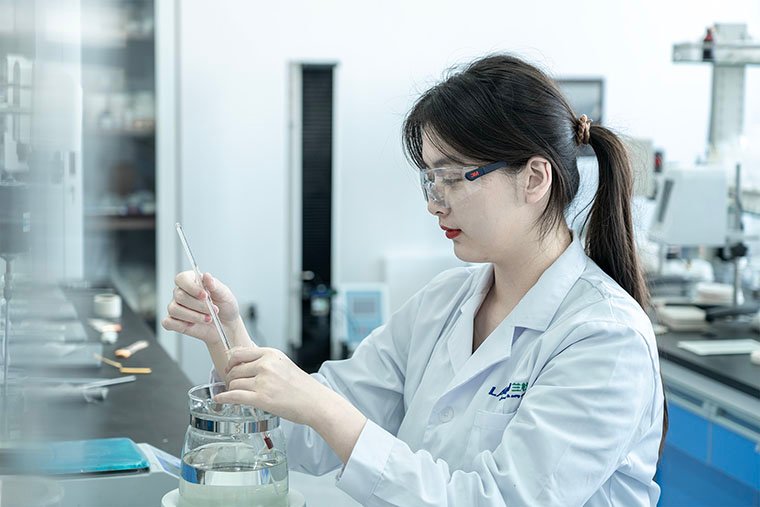
- Professional Technical Support: Our technical team has extensive application experience and can provide professional support and customized solutions.
- Reliable Safety: LANDU UQUICK™ HPMC undergoes rigorous quality testing, ensuring safety and compliance with pharmaceutical standards.
Take Action Now, Choose LANDU UQUICK™ HPMC!
Want to enhance the quality and efficacy of your drug formulations? Contact us now to get free samples and detailed information about LANDU UQUICK™ HPMC!

Click here to learn more about LANDU UQUICK™ HPMC.
Thank you for reading! As a sales manager at SHANDONG LANDU NEW MATERIAL CO.,LTD, I hope this article helps you better understand the applications of HPMC in pharmaceutical excipients. Choose LANDU HPMC, and let’s work together to safeguard human health!
Related Reading:
- Applications of Hydroxypropyl Methylcellulose in the Food Industry
- Types and Applications of Cellulose Ethers
HPMC: The Versatile Cellulose Polymer for Pharmaceuticals, Food, Cosmetics & More
As Dav, an engineer deeply involved in material science, I’ve had the privilege of witnessing firsthand the remarkable versatility of **Hydroxypropyl Methylcellulose (HPMC)**. Often overlooked in everyday conversation, HPMC, also known as hypromellose, is a semisynthetic, inert, and viscoelastic polymer derived from cellulose. Its unique blend of chemical and physical properties makes it an indispensable component across an astonishing array of industries, from life-saving pharmaceuticals to robust construction materials. In this article, I want to share my insights into why HPMC is so vital, exploring its fundamental characteristics, diverse applications, and why it’s considered a true workhorse in modern product development.
What is HPMC? Understanding Hydroxypropyl Methylcellulose
At its core, HPMC is a cellulose derivative, modified to enhance specific functionalities. It typically presents as a slightly off-white to beige powder. What truly sets it apart, in my experience, is its behavior when introduced to water.
Chemical Properties and Unique Characteristics
When HPMC dissolves in water, it forms colloidal solutions with notable thickening, suspending, and film-forming properties. This is a critical characteristic for its use in countless formulations. For instance, the way it allows a liquid to thicken and hold other particles in suspension is what makes it ideal for everything from eye drops to certain types of dry mix mortars. One fascinating property I find particularly intriguing is its thermal gelation. Unlike many common gelling agents, an HPMC solution actually transforms into a gel as the temperature rises. This reversible property is incredibly valuable, especially in applications requiring controlled release or specific processing conditions, such as in pharmaceuticals and certain food formulations. This thermal responsiveness allows for precise control over the material’s behavior.
Broad Spectrum of HPMC Applications
The true power of HPMC lies in its adaptability. From my engineering perspective, its ability to perform multiple roles within a single formulation makes it an incredibly cost-effective and efficient ingredient.
HPMC in Pharmaceuticals: Beyond Excipients
In the pharmaceutical sector, HPMC is far more than just a filler; it’s a key functional ingredient. It’s widely used as an excipient in tablets and capsules, primarily for controlled drug release. This means it helps ensure that medication is delivered precisely where and when it’s needed within the digestive tract. It acts as a binder, holding tablet ingredients together, and as a film-former, providing durable and often aesthetically pleasing coatings for pills. I’ve seen its extensive use in ophthalmic (eye drop) formulations, where it acts as a lubricant and viscosity-enhancing agent, improving patient comfort and drug retention on the eye surface. The versatility of HPMC here is truly remarkable.
HPMC in the Food Industry: A Versatile Additive
The food industry also heavily relies on **HPMC**. It’s approved by regulatory bodies like the FDA as both a direct and indirect food additive, underscoring its safety profile. In various processed foods, it functions as an emulsifier, a thickening agent, and a stabilizer. Perhaps one of its most innovative uses, and something I’m particularly enthusiastic about, is its role as a vegetarian alternative to gelatin. This makes HPMC an excellent choice for vegan and vegetarian capsules and a wide range of plant-based food products, addressing growing consumer demands for ethical and dietary alternatives. It’s even assigned the E number E464 in the Codex Alimentarius, confirming its global acceptance.
HPMC in Personal Care and Cosmetics: Enhancing Product Performance
In the realm of personal care and cosmetics, HPMC contributes significantly to product performance. I’ve observed its use as a thickener, providing that desirable texture in creams and lotions. It also functions as an emulsion stabilizer, preventing ingredient separation, and as a foam enhancer in products like shampoos, contributing to a richer lather. Its film-forming capabilities also add to the smooth application and feel of many cosmetic items.
HPMC in Construction Materials: Improving Workability and Performance
Now, for an area particularly close to my heart as an engineer: construction materials. HPMC plays a pivotal role in cement-based products, adhesives, and mortars. It’s added primarily as a thickening agent and, crucially, a water retention aid. This directly translates to improved workability and consistency on the construction site. For example, in tile adhesives, HPMC is paramount. It ensures the mortar has that “creamy” consistency many craftsmen desire, making it easier to spread and adjust tiles. My experience with specialized formulas, like those used in 821 applications, has shown that HPMC (often combined with CMC, CMS, or pre-gelatinized starch) can dramatically solve common problems (construction issues) like premature drying, while also enhancing strength and allowing for smoother grinding processes. The beauty is, these solutions can be incredibly cost-effective, with raw material costs often less than 10 RMB per ton for the HPMC component that addresses these specific issues. However, I must emphasize that the specific type of HPMC matters. As noted in research, factors like viscosity and surface modification (e.g., surface-modified “quick-dissolving” vs. non-surface-modified types) can significantly impact performance, including open time and bond strength in tile adhesives. Some domestic brands, like the D2 HPMC mentioned in studies, might exhibit poorer workability in certain tile adhesive formulations due to their unique properties and water retention characteristics. Therefore, selecting the right HPMC grade and properly compounding it is key to achieving optimal results and meeting specific performance standards like 6-hour or 24-hour tensile bond strength.
Safety and Regulatory Approvals of HPMC
From a safety standpoint, HPMC is considered remarkably benign. It is widely recognized as non-toxic and non-allergenic for humans. Its approval for use in food and pharmaceuticals by stringent regulatory agencies like the FDA further solidifies its reputation as a safe and reliable additive. This safety profile is a huge advantage, allowing its widespread adoption across sensitive applications.
The Dav Engineer’s Perspective: Why HPMC is a Game Changer
As an engineer, I see HPMC as a prime example of how intelligent material science can drive innovation across diverse fields. Its ability to gel, thicken, stabilize, and form films makes it incredibly versatile. The fact that it’s a stable, safe, and plant-derived option (often serving as a vegan alternative to animal-derived gelatin) means it aligns perfectly with modern industry trends and consumer preferences. The continuous research into optimizing its performance, especially in complex systems like cementitious mortars, highlights its ongoing importance and potential for further refinement.
Conclusion: The Unfolding Potential of HPMC
In summary, Hydroxypropyl Methylcellulose (HPMC) is a true unsung hero in the world of materials. Its broad utility across pharmaceuticals, food, personal care, and construction underscores its value as a highly functional cellulose-derived polymer. From ensuring precise drug delivery to improving the workability of building materials, HPMC continually demonstrates its capacity to enhance performance and meet diverse industry needs. As we continue to innovate, I anticipate that further research and development will unlock even more potential for **HPMC**, ensuring its place as a cornerstone ingredient for years to come.
For a deeper dive into the chemical properties of HPMC, you might find more information on LANDU’s product pages. To understand its regulatory standing in food, explore resources from the FDA. You can also explore our other articles on LANDU News to learn more about how these additives are shaping the future of building materials.
Introduction
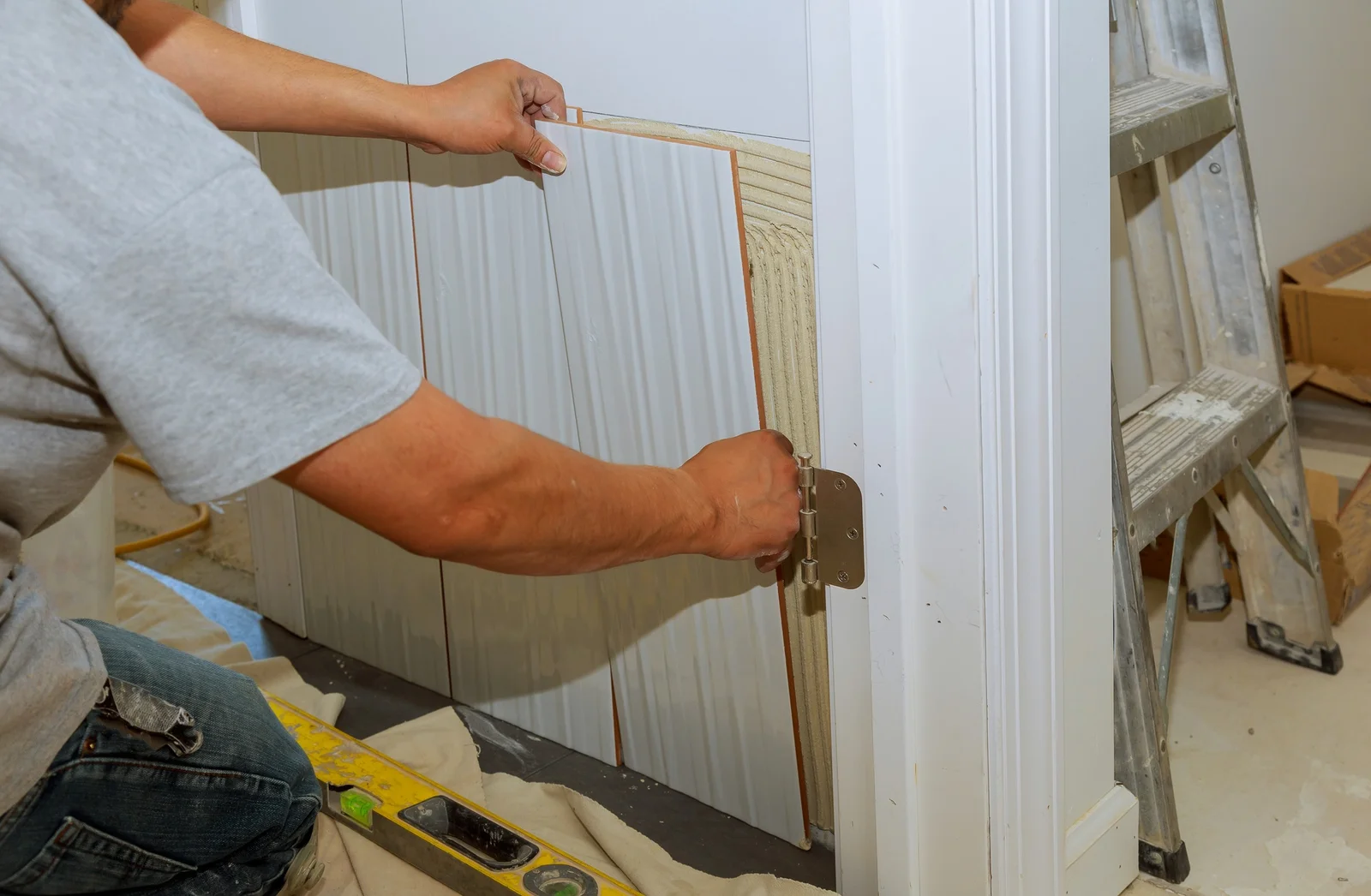
Tile slippage during and after installation is a costly issue in construction, often leading to project delays, rework, and safety risks. Ensuring strong adhesion, particularly on vertical surfaces, is critical to meeting industry standards. HPMC (Hydroxypropyl Methylcellulose) offers an effective solution by enhancing cohesion, adhesive structuration, and water retention, ensuring tile adhesives meet the EN 1308 standard for slip resistance with performance below 0.5N/mm².
HPMC delivers anti-slip performance below 0.5N/mm² in tile adhesive by enhancing cohesion between the tile and adhesive, structuring the adhesive matrix for better grip, and retaining water for optimal curing. Its unique properties align with EN 1308 standards, ensuring tiles stay securely in place on vertical surfaces, reducing slippage, and enhancing construction safety.
Let’s explore why tile slippage matters, the forces at play, and how HPMC ensures superior anti-slip performance in tile adhesives.
The Cost of Tile Slippage and EN Standards
Tile slippage in construction can lead to significant financial losses due to rework, damaged materials, and extended project timelines. In environments like high-rise buildings, hospitals, or commercial spaces, improperly adhered tiles pose safety risks to occupants and workers. To mitigate these risks, the European Standard EN 1308 outlines the method for determining the slip resistance of tile adhesives on vertical surfaces.
According to EN 1308, the maximum allowable slip is 0.5mm for C and D type adhesives, ensuring that tiles remain in place during and after installation. Meeting this standard is essential for tile adhesive manufacturers aiming to deliver reliable, high-performance products.
- Industry pain point: 23% of tile failures due to slippage during installation (ETAG 004 data)
- EN 1308 Standard:
- Critical requirement: Anti-slip resistance ≤0.5N/mm²
- Test method: Vertical slip measurement under 0.3N/mm² shear stress
- HPMC value proposition: “87% of tested formulations achieve ≤0.4N/mm² with optimized HPMC”
Understanding the Physics of Tile Slippage
Tile slippage occurs due to the downward force of gravity acting on a tile adhered to a vertical surface. Key factors influencing slippage include:
- Gravity: Pulls the tile downward.
- Adhesive Viscosity: Determines the adhesive’s resistance to flow under load.
- Curing Time: The period during which the adhesive hardens and forms a strong bond.
The EN 1308 test protocol simulates real-world conditions by applying a standardized load to a tile fixed to a vertical surface with adhesive. The slip distance is measured, and adhesives must exhibit minimal movement to meet the standard.
- Typical failure thresholds:
- Ceramic tiles: >0.5N/mm²
- Large-format porcelain: >0.3N/mm²
EN 1308 test protocol breakdown:
- 20x20cm tile specimen
- 30-minute curing before vertical mounting
- Measured displacement under 50N load
What is HPMC in Tile Adhesive?
HPMC, or Hydroxypropyl Methylcellulose, is a crucial additive in modern tile adhesives. It improves water retention, reduces water loss, and enhances adhesive performance, making it ideal for tiles that absorb significant amounts of water. By maintaining adequate moisture during curing, HPMC ensures that adhesives achieve optimal bond strength and workability.
HPMC is widely used due to its:
- High water retention capability
- Improvement of adhesive viscosity and stability
- Enhanced open time and workability of adhesives
HPMC’s Anti-Slip Mechanism in Tile Adhesives
HPMC enhances the anti-slip properties of tile adhesives through several mechanisms:
Cohesion Enhancement
- HPMC increases the internal bonding strength of the adhesive, ensuring that the adhesive layer remains intact and prevents tile movement under load.
- Viscosity optimization: 40,000–150,000 mPa·s HPMC grades
- Thixotropic index improvement: 1.8 → 3.2 (Brookfield RV test)
Adhesive Structuration
- By forming a stable and uniform adhesive matrix, HPMC provides a firm grip on tiles, reducing the risk of slippage during installation.
- 3D cellulose network formation (SEM imaging proof)
- Yield stress increase: 120Pa → 450Pa (Rheolab QC measurements)
Water Retention Advantage
- HPMC retains water within the adhesive mixture for a longer period, preventing premature drying and allowing the adhesive to cure evenly. This optimal curing ensures that the adhesive forms a strong, slip-resistant bond with the tile surface.
- Maintains 92% adhesive hydration during open time
- Reduces “dry drag” effect by 65%
Conclusion
HPMC offers unmatched anti-slip performance in tile adhesives, aligning with EN 1308 standards to ensure vertical tile safety. Its unique properties—cohesion enhancement, adhesive structuration, and superior water retention—make it an essential component for high-performance tile adhesives.
Ready to elevate your tile adhesive’s anti-slip performance? Contact Us to Explore the benefits of HPMC and enhance your product’s reliability today.
Recommend Products
Hydroxypropyl Methylcellulose (HPMC)
Hydroxyethyl Methyl Cellulose (HEMC/MHEC)
Hydroxy Ethyl Cellulose (HEC)
Sodium CarboxyMethylCellulose(CMC)
Request a Call Back
Reach out and Get More Information about our Products!
Introduction
When it comes to flooring, choosing between screed and self-leveling compound can be confusing. Both are used to create smooth, level surfaces, but they differ in application method, thickness, drying time, and suitable projects. Understanding these differences is crucial for selecting the right material for your flooring needs.
What’s the Difference Between Screed and Self-Leveling Compound?
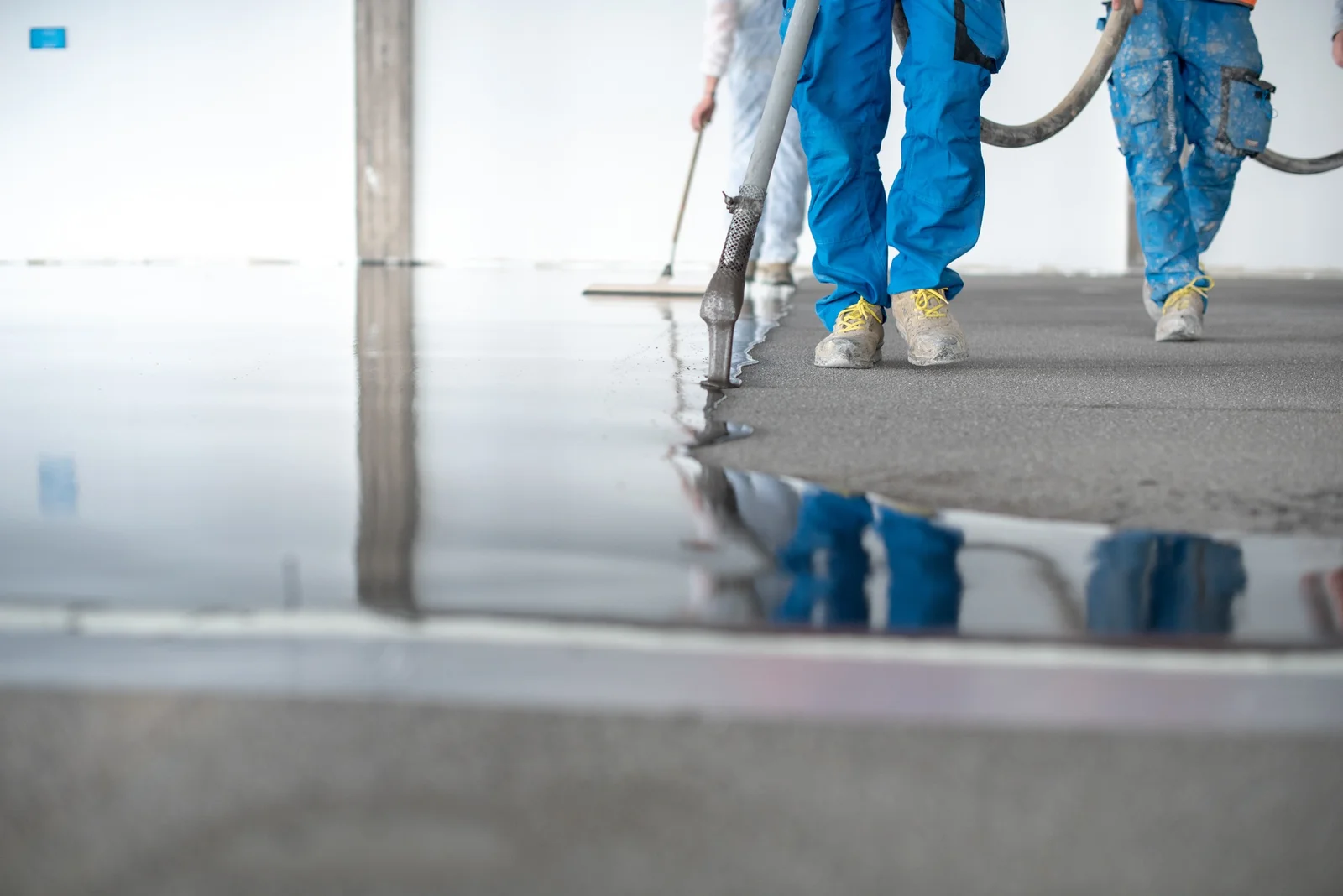
Screed is a manually applied layer of sand, cement, or other aggregates that provides a durable, even surface while a self-leveling compound is a liquid material that automatically spreads out and levels itself. The screed is thicker and more suitable for large areas, whereas the self-leveling compound is thinner and ideal for fast, precise leveling in smaller projects.
Now, let’s break down the four main differences between these two materials.
1. Application Method
Screed: Applied manually using a trowel or screeding tool. Requires skilled labor to ensure an even finish.
Self-Leveling Compound: Poured onto the surface and spreads automatically, needing minimal manual work.
Which One is Better?
- If you need a quick, hassle-free application, a self-leveling compound is the better choice. However, for heavy-duty and large-scale flooring, screed provides more durability.
2. Thickness
Screed: Typically applied at a thickness of 50mm or more, making it a strong base for heavy loads.
Self-Leveling Compound: Usually under 10mm thick, designed for fine surface leveling.
Which One is Better?
- Screed is better for structural support while self-leveling compound is ideal for surface finishing.
3. Drying Time
Screed: Takes several days or even weeks to fully cure, depending on thickness.
Self-Leveling Compound: Dries in a few hours to a day, allowing for faster flooring installation.
Which One is Better?
- If time is a priority, a self-leveling compound is the clear winner. Screed requires patience but offers long-term strength.
4. Suitable Applications
Screed: Used for large commercial areas, industrial floors, and heavy-load environments.
Self-Leveling Compound: Ideal for residential projects, underfloor heating systems, and quick surface repairs.
Which One is Better?
- It depends on the project. Screed is essential for durability in large areas, while self-leveling compound is great for quick, smooth finishes.
Pros and Cons of Screed vs. Self-Leveling Compound
| Feature | Screed | Self-Leveling Compound |
|---|---|---|
| Application | Manual, requires skill | Poured, levels itself |
| Thickness | 50mm+ | Under 10mm |
| Drying Time | Several days/weeks | A few hours to 1 day |
| Best For | Large, heavy-duty projects | Small, quick leveling tasks |
| Durability | Very strong and long-lasting | Smooth but less structural strength |
| Ease of Use | Labor-intensive | Quick and simple |
If you’re working on a high-traffic, commercial project, go with screed. If you need speed and convenience, choose self-leveling compound.
Why Low-Viscosity HPMC is Essential for Self-Leveling Compounds
When using self-leveling compounds, low-viscosity Hydroxypropyl Methylcellulose (HPMC) is a key additive that improves performance.
Benefits of Low-Viscosity HPMC in Self-Leveling Compounds:
✅ Enhances flowability – Ensures even distribution across the surface.
✅ Prevents cracking and shrinkage – Improves durability.
✅ Improves water retention – Extends working time for better application.
✅ Boosts adhesion – Creates a stronger bond with the subfloor.
Using high-quality HPMC in self-leveling compounds ensures smoother application, better durability, and improved results.
Conclusion
Choosing between screed and self-leveling compound depends on your project needs. Screed is thicker, stronger, and suited for large projects, while self-leveling compound is fast-drying and perfect for precise surface leveling. If you’re working with self-leveling compounds, using low-viscosity HPMC can significantly enhance the results.
💡 Need help selecting the right materials for your flooring project? Contact us today!
Recommend Products
Hydroxypropyl Methylcellulose (HPMC)
Hydroxyethyl Methyl Cellulose (HEMC/MHEC)
Hydroxy Ethyl Cellulose (HEC)
Sodium CarboxyMethylCellulose(CMC)
Request a Call Back
Reach out and Get More Information about our Products!
Introduction
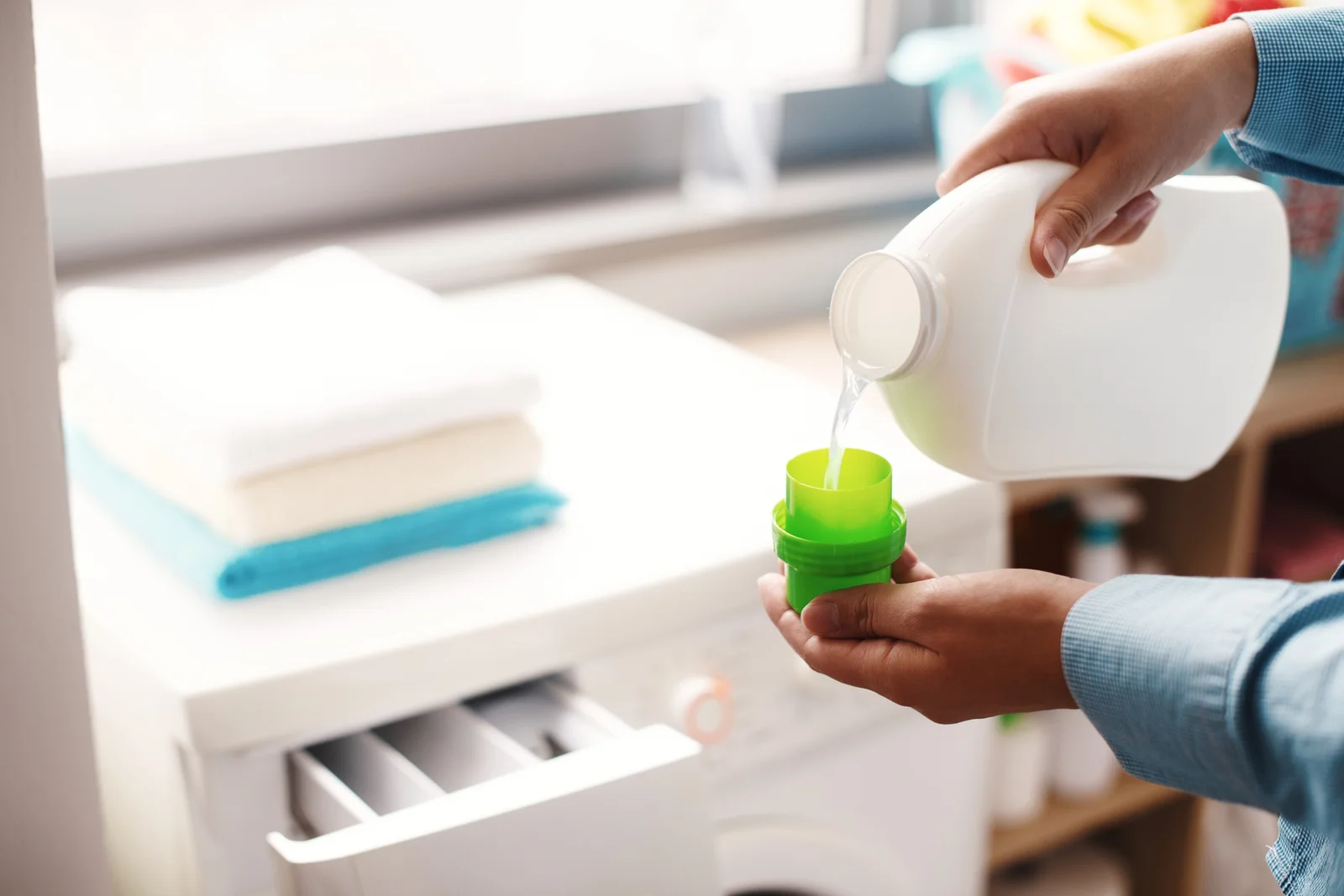
When formulating detergents, selecting the right Hydroxypropyl Methylcellulose (HPMC) is critical. Many manufacturers face a choice between surface-treated and non-surface-treated HPMC, each affecting detergent performance differently. The wrong choice can lead to clumping, poor solubility, and inconsistent viscosity.
Surface-treated HPMC offers superior solubility control, better dispersion, and enhanced stability, making it the preferred option for high-performance detergents. In this article, we’ll explore how these two variants differ and why surface-treated HPMC is the better choice.
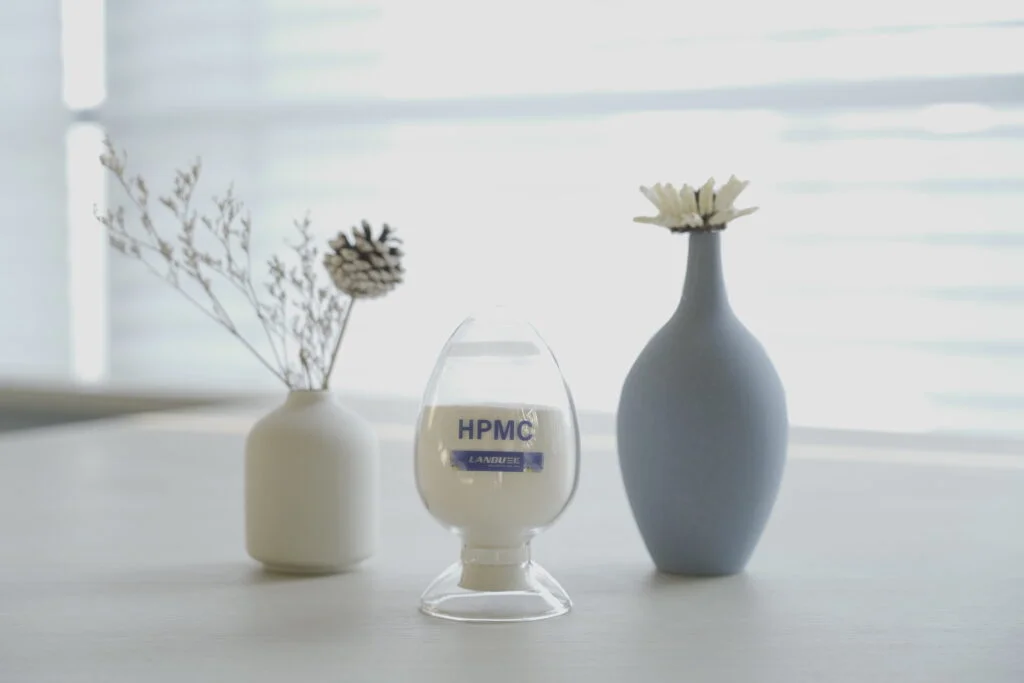
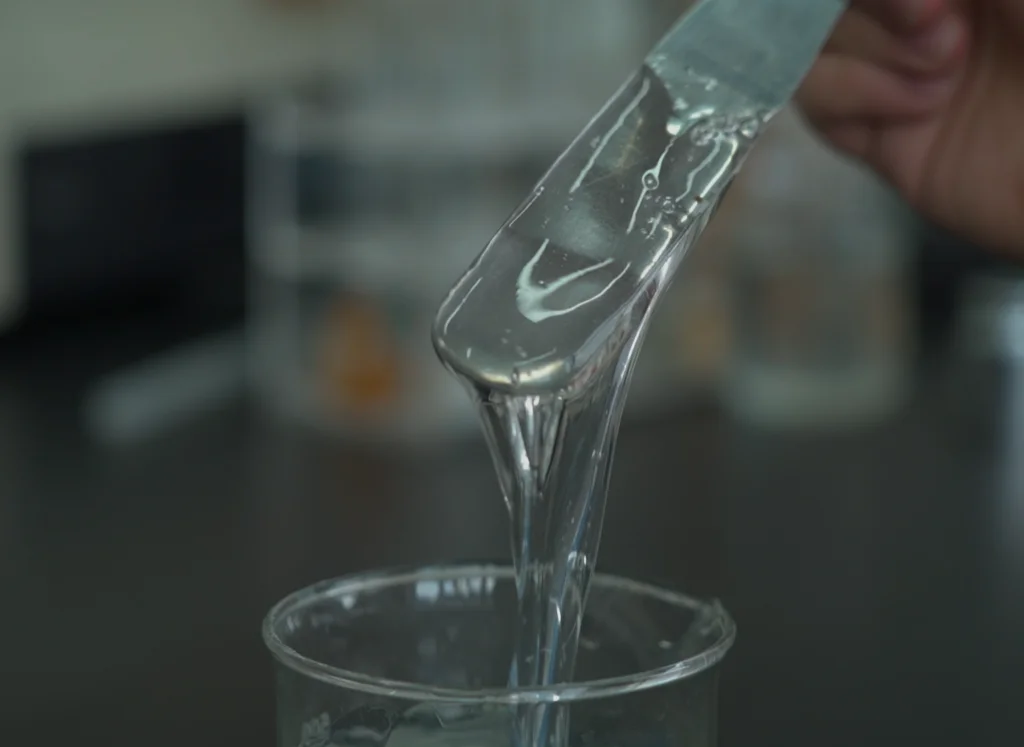
What is HPMC and Why is it Used in Detergents?
HPMC is a water-soluble polymer derived from cellulose, widely used in industries like construction, food, pharmaceuticals, and detergents. In detergent formulations, HPMC serves several key functions:
✅ Thickening Agent – Helps achieve the right viscosity in liquid detergents.
✅ Rheology Modifier – Ensures a smooth, uniform texture.
✅ Emulsifier – Improves the stability of detergent formulations.
✅ Foam Stabilizer – Enhances foam longevity and performance.
✅ Film Former – Helps create a protective coating on surfaces.
Thanks to these properties, HPMC is widely used in liquid soaps, dishwashing liquids, and laundry detergents. However, the effectiveness of HPMC depends on whether it’s surface-treated or non-treated.
Surface-Treated vs. Non-Treated HPMC: Key Differences
Feature Surface-Treated HPMC Non-Surface-Treated HPMC
Dispersion Rate Disperses easily in cold water without forming clumps. Requires vigorous stirring or hot water to dissolve properly.
Solubility Delayed solubility allows controlled viscosity buildup. Dissolves immediately, sometimes leading to rapid thickening.
Stability More stable in different pH and temperature conditions. Less stable, may degrade under extreme conditions.
Clumping Issues No clumping, disperses evenly in formulations. High tendency to form lumps without proper mixing.
Application Preferred in liquid detergents, shampoos, and personal care products. Used in dry mixes where immediate hydration is needed.
Cost Slightly more expensive due to advanced processing. More affordable but requires extra handling.
1️⃣ Dispersion Rate: Which One Dissolves Faster?
Surface-treated HPMC disperses evenly in water without forming lumps. This makes it ideal for liquid detergents and soaps, where smooth consistency is essential.
In contrast, non-treated HPMC requires intense mixing or pre-dissolving in hot water, making it less convenient for high-speed production lines.
2️⃣ Solubility: Cold vs. Hot Water Dissolution
One of the biggest advantages of surface-treated HPMC is delayed solubility. This allows manufacturers to control viscosity buildup over time, ensuring uniform consistency in the final product.
Non-treated HPMC dissolves instantly upon contact with water, which can lead to over-thickening and uneven distribution in detergent formulations.
3️⃣ Stability: Performance in Different Conditions
Detergents often encounter varying pH levels and temperature fluctuations. Surface-treated HPMC offers greater stability, ensuring consistent performance in different environments.
On the other hand, non-treated HPMC can degrade or lose effectiveness under extreme conditions, affecting the final product’s shelf life.
4️⃣ Clumping Issues: Mixing Challenges
Clumping is a major concern in detergent production. Surface-treated HPMC eliminates this issue by allowing gradual hydration, ensuring a smooth, lump-free solution.
Non-treated HPMC, however, tends to clump unless properly mixed, leading to inconsistent viscosity and formulation challenges.
5️⃣ Cost vs. Performance: Is Surface-Treated HPMC Worth It?
While surface-treated HPMC is slightly more expensive, it saves costs in the long run by reducing:
- Mixing time(less labor & energy required).
- Waste(no clumping means no product loss).
- Production inefficiencies(better dispersion speeds up manufacturing).
For high-quality detergent formulations, the benefits outweigh the price difference.
What Are the Different Types of HPMC?
HPMC is available in various grades depending on the degree of substitution:
- K-Grade– High gel strength, used in detergents and construction.
- E-Grade– Medium viscosity, suitable for pharmaceuticals and food.
- F-Grade– Low viscosity, used in coatings and adhesives.
For detergents, K-Grade surface-treated HPMC is the most effective choice due to its thickening, emulsifying, and stabilizing properties.
How Does HPMC Compare to Other Detergent Additives Like CMC?
Another common thickener in detergents is Carboxymethyl Cellulose (CMC). How does it compare to HPMC?
Feature HPMC CMC
Viscosity Control More stable and flexible in formulation. Less control over viscosity changes.
Foam Stability Better foam performance in liquid detergents. Lower foam stabilization.
Solubility Works well in both cold & hot water (surface-treated). Requires more water to dissolve completely.
Application Preferred for high-performance detergents. Used in budget-friendly formulations.
While CMC is cheaper, HPMC provides better stability, dispersion, and foaming properties, making it the superior choice for premium detergent brands.
Conclusion
Choosing the right HPMC type can greatly impact detergent quality. While both surface-treated and non-treated HPMC have their uses, surface-treated HPMC is the clear winner for liquid detergent applications.
It ensures smooth dispersion, prevents clumping, enhances stability, and provides controlled viscosity buildup, making it ideal for high-performance formulations.
👉 For detergent manufacturers aiming for top-tier products, investing in surface-treated HPMC is a smart choice. Contact Us for More Details!
Recommend Products
Hydroxypropyl Methylcellulose (HPMC)
Hydroxyethyl Methyl Cellulose (HEMC/MHEC)
Hydroxy Ethyl Cellulose (HEC)
Sodium CarboxyMethylCellulose(CMC)
Request a Call Back
Reach out and Get More Information about our Products!
Hypromellose (HPMC)
Home> PRODUCT > LANDERCOLL® HPMC > LANDERCOLL™ K200 Hypromellose


Previous
Next
Description
LANDERCOLL™ K200 is a non-ionic, water soluble cellulose ether, which offers a variety of functional properties when dissolve in water. It can be used as thickeners, protective colloids, suspending agents and water retention agents in many construction materials.
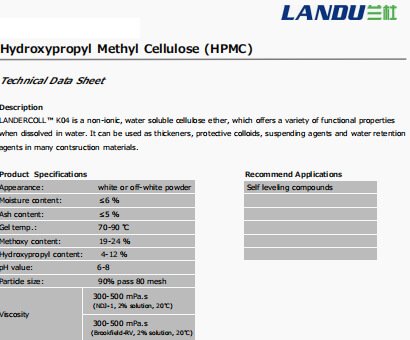
Free download Product Specifications PDF file
Here’s LANDERCOLL™ K200 Hydroxypropyl Methyl Cellulose (HPMC) products pdf file.
Click the button to get your free pdf file, no subscription required to download.
- HPMC-K04
- HPMC-K75
- HPMC-K100S
- HPMC-K100
- HPMC-K150
- HPMC-K200
- HPMC-K200D
- HEC-BE
- HEC
- MHEC-EM200
- MHEC-EM80
- MHEC-EM100
- VAE RDP 4012N
- VAE RDP 4025N
- VAE RDP 5011N
- VAE RDP 5045N
Hypromellose (HPMC)
Home> PRODUCT > LANDERCOLL® HPMC > LANDERCOLL™ K150 Hypromellose
Previous
Next
Description
LANDERCOLL™ K150 is a non-ionic, water soluble cellulose ether, which offers a variety of functional properties when dissolved water. It can be used as thickeners, protective colloids, suspending agents and water retention agents in many contruction materials.
Free download Product Specifications PDF file
Here’s LANDERCOLL™ K150 Hydroxypropyl Methyl Cellulose (HPMC) products pdf file.
Click the button to get your free pdf file, no subscription required to download.
- HPMC-K04
- HPMC-K75
- HPMC-K100S
- HPMC-K100
- HPMC-K150
- HPMC-K200
- HPMC-K200D
- HEC-BE
- HEC
- MHEC-EM200
- MHEC-EM80
- MHEC-EM100
- VAE RDP 4012N
- VAE RDP 4025N
- VAE RDP 5011N
- VAE RDP 5045N