

HEC in the oil drilling industry: chemistry, applications, limitations, and best practices
Hydroxyethyl cellulose (HEC) is a widely used non-ionic, water-soluble polymer used as a viscosifier, rheology modifier, and suspension aid in water-based drilling fluids. It is valued for its ability to build gel structure, improve cuttings transport, reduce fluid loss when used with other additives, and improve hole cleaning in many onshore and shallow offshore applications. HEC has practical limitations in high-salinity and high-temperature environments and is often blended with other polymers or replaced by more thermally stable polymers for deep, HPHT, or highly saline wells. This article explains the chemistry and functional role of HEC in drilling fluids, provides formulation and monitoring guidance, discusses failure modes and mitigation, gives two representative case examples (onshore and offshore) with operational numbers, and closes with practical recommendations for field engineers and drilling fluid technologists.
1. What HEC is (technical and practical definition)
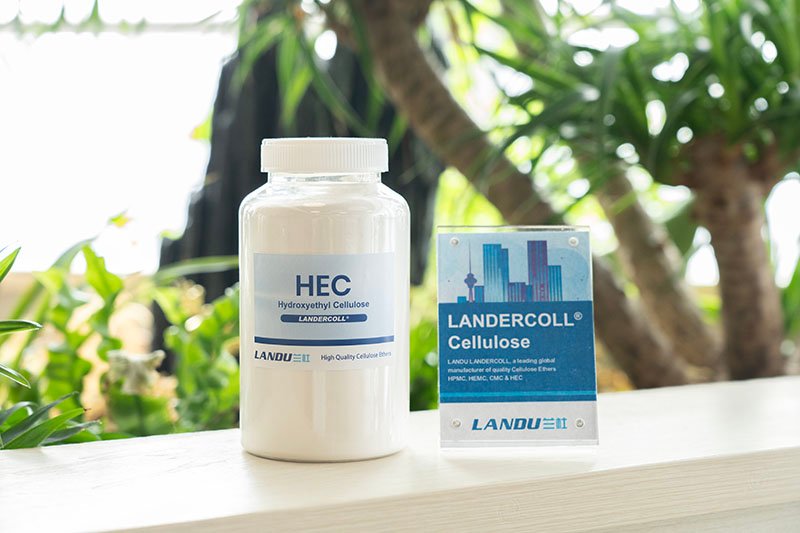
HEC (hydroxyethyl cellulose) is a non-ionic, etherified derivative of cellulose in which hydroxyethyl groups substitute some of the hydroxyl groups of the cellulose backbone. The result is a water-soluble polymer that thickens aqueous solutions, produces shear-thinning rheology, and develops gel strength at low concentrations. In drilling fluids, HEC functions primarily as a viscosifier and suspending agent in water-based mud (WBM) systems.

2. Chemistry and material properties
- Chemical nature: HEC is produced by reacting alkali-activated cellulose (usually from wood pulp or cotton linters) with ethylene oxide, creating hydroxyethyl substitutions on the glucose units of the cellulose chain. The degree of substitution (DS) and molecular weight define the polymer’s solubility, hydration rate, and thickening power.
- Non-ionic character: Unlike carboxymethyl cellulose (CMC) or polyanionic cellulose (PAC), HEC is non-ionic; its rheological response is less sensitive to pH changes, but it can be sensitive to ionic strength (salts), especially divalent cations like Ca2+ and Mg2+.
- Molecular weight and viscosity: Commercial HEC grades span a wide molecular weight range; higher molecular weight grades provide greater viscosity and stronger gels at lower concentrations, while lower molecular weight grades dissolve more readily and are used for lower-viscosity systems.
- Thermal stability: HEC hydrolyzes and experiences chain scission at elevated temperatures; typical usable temperature ranges for standard HEC grades are up to roughly 70–120°C (158–248°F), depending on grade and formulation. Thermostable derivatives and stabilizing formulations extend this to higher temperatures but synthetic polymers (e.g., polyacrylamides, PAC types, or specialty synthetic thickeners) are preferred above these limits.
- Solubility and hydration: HEC hydrates in cold or warm water, but the hydration rate depends on molecular weight, particle grade, and the presence of salts. Proper dispersion techniques (slow addition, high-shear blending, or use of pre-hydrated slurries) prevent balling and ensure full hydration.
3. Functional roles of HEC in drilling fluids
- Viscosifier and rheology modifier: HEC increases low-shear viscosity and builds gel strength so cuttings remain suspended when circulation stops. It produces shear-thinning behavior that eases pumpability at high shear while providing yield at low shear.
- Hole cleaning and cuttings transport: Improved low-shear gel strength and viscosity help transport cuttings up the annulus during circulation. HEC can help avoid settling in deviated and horizontal wells when combined with suitable barite and solids control practices.
- Fluid-loss control (to an extent): HEC contributes to forming a thin, low-permeability filter cake, especially when used in combination with bridging materials (bentonite, starches, PAC) and small-diameter solids. Alone ,it is a moderate fluid-loss reducer; combined chemistries perform better.
- Shale stability and inhibition (limited): HEC is not a primary shale inhibitor like KCl, glycols, or amine-based treatments. It can contribute to pore-pressure support and film-forming ffects, but for reactive shales, specific inhibitors are required.
- Lubrication and torque reduction (indirect): By improving hole-cleaning and reducing cuttings beds, HEC helps reduce drag and torque in some hole sections.
4. Typical formulations and dosing guidance
- Unit conventions: Drilling fluid chemicals are often dosed in lb/bbl (pounds per barrel) or kg/m3. One barrel is 42 US gallons (~159 L).
- Typical concentrations: HEC is effective at relatively low dosages. Common ranges for water-based drilling fluids:
- Low-viscosity systems (for shallow hole cleaning): 0.2–0.8 lb/bbl (0.6–2.4 kg/m3)
- General-purpose WBM: 0.5–2.0 lb/bbl (1.8–7.1 kg/m3)
- High-viscosity or high-gel systems: 2.0–4.0 lb/bbl (7.1–14.3 kg/m3) or higher for specialty grades
- Blends: HEC is often blended with:
- Bentonite (to provide thixotropy and yield point)
- Xanthan gum (for sustained gel with higher temperature tolerance)
- PAC (polyanionic cellulose) or CMC for improved fluid-loss control
- Starches, D-sorbitol derivatives, or synthetic fluid-loss polymers for HPHT filtration control
- Mixing sequence: Add HEC slowly to agitated water to avoid clumping. Pre-blending into a slurry or using prehydrated solutions accelerates incorporation. Add salts after HEC is hydrated to prevent salting-out.
5. Rheology and performance targets
- Marsh funnel: For many WBM systems with HEC, Marsh funnel time will increase relative to base water; typical ranges for drilled mud are 26–45 s/qt depending on desired viscosity. Use Marsh as a qualitative check rather than sole control metric.
- Fann Rotary Viscometer (common readings and targets):
- Plastic viscosity (PV): 8–30 cP for many hole-cleaning fluids
- Yield point (YP): 5–40 lb/100 ft^2, depending on hole angle and transport needs
- 10s/10min gel: 2–10 / 6–20 lb/100 ft^2 (values adjusted for cuttings suspension)
- Fluid-loss (API filter press, 30 min at 100 psi): Target less than 15 mL for many operations; HPHT filter loss tests (e.g., 250°F/500 psi) may be required for more demanding operations.
6. Temperature, salinity, and compatibility limits
- Temperatură: Standard HEC grades lose performance when exposed to sustained temperatures above approximately 80–120°C. Above those temperatures, HEC chains hydrolyze and viscosity drops. For wells with expected bottom-hole temperatures above this, consider higher-temperature polymers (e.g., certain PACs, synthetic polymers, or advanced thermally-stabilized HEC derivatives).
- Salinity and ions: High monovalent salt (NaCl, KCl) levels reduce the hydration volume of HEC but are generally tolerated up to moderate strengths. Divalent cations (Ca2+, Mg2+) can severely affect HEC performance, causing viscosity loss or flocculation. Use salt-tolerant grades or switch to polymers designed for high-salinity brines.
- pH: HEC is non-ionic and tolerates pH ranges, but extreme alkalinity or acidity can accelerate degradation. Maintain expected pH control per system design (commonly 9–10 for many WBMs).
- Chemical compatibility: HEC is compatible with many common drilling fluid additives but may interact adversely with strong oxidizers or strong acids. Biocides and oxygen scavengers must be chosen to avoid damaging polymer chains.
7. Mixing, hydration, and handling best practices
- Dust control: HEC powders generate dust; use low-dust grades and PPE (respiratory protection) during handling. Use closed transfer systems if available.
- Pre-hydration: Pre-blend HEC into a slurry with agitation or use a mill or hopper designed to disperse binder powder into water. This prevents lumping and ensures rapid hydration.
- Shear: High-shear mixing helps hydrate HEC, but excessive shear can reduce molecular weight; follow supplier guidance on blending equipment and duration.
- Order of addition: Typically, hydrate HEC in water, ensure full dispersion, then add salts, weighting agents, and other polymers. If adding to brine, consider pre-wetting aids or use salt-tolerant grades.
- Storage and shelf life: Store dry HEC in cool, dry conditions. Avoid moisture ingress. Follow supplier shelf-life guidance.
- Routine tests: Marsh funnel time, Fann viscometer (600 and 300 rpm readings and derived PV/YP), gel strength (10s/10min), mud weight (mud balance), pH, and API filter press for fluid loss.
- Advanced tests: Rheometer for full shear rate curves, HPHT filter press for high-temperature/high-pressure filtration, thermogravimetric analysis, and gel permeation in the lab for polymer degradation assessment.
- Trending: Monitor trends in PV, YP, gel strength, and filter loss for early signs of HEC degradation (progressive viscosity drop) or contamination (sudden viscosity jumps due to solids or salts).
- Lab confirmation: If an unexpected rheology change occurs, send samples for GPC/Mw analysis or microscopy to detect flocculation, and perform salt-compatibility screening in the lab before bulk replacement.
9. Failure modes and mitigation
- Heat degradation (thermal breakdown):
- Symptom: gradual loss of viscosity and gel strength under sustained high temperatures.
- Mitigation: use thermally stabilized grades, reduce exposure time at high temperature, incorporate anti-oxidants or free radical scavengers, or switch to synthetic high-temperature polymers.
- Salinity-induced viscosity loss:
- Symptom: sudden drop in viscosity after the addition of brine or when drilling into a salt formation.
- Mitigation: use salt-tolerant HEC grades or blend with salt-stable polymers (e.g., PAC-R or synthetic polymers); manage brine importation and dilution; add multivalent cation scavengers.
- Balling/clumping on mixing:
- Symptom: unhydrated lumps forming when powder is added to still fluid.
- Mitigation: use proper slurrying technique, high-shear mixing, or pre-hydrated concentrates; add polymer slowly to agitated water.
- Flocculation with divalent cations:
- Symptom: precipitation or cloudiness, drop in viscosity.
- Mitigation: reduce Ca/Mg concentration, add chelating agents or scale inhibitors, or replace HEC with a divalent-tolerant polymer.
- Microbial degradation (long storage or warm water):
- Symptom: slow viscosity decline over days to weeks.
- Mitigation: biocide treatment per SDS and regulatory guidance; maintain appropriate storage conditions.
10. Health, safety, and environmental aspects
- Toxicity: HEC is considered low in acute toxicity; it is a cellulose derivative and traditionally viewed as low-risk. However, powder inhalation and eye contact are hazards; follow SDS recommendations for PPE.
- Environmental fate: HEC is biodegradable under many conditions, but formulations containing additives, cross-linkers, or other co-polymers must be assessed for environmental persistence. Disposal of spent drilling fluid must comply with local regulations (e.g., cuttings management, onshore disposal permits, offshore discharge rules).
- Regulatory considerations: Comply with local and regional chemical registration requirements (e.g., TSCA in the US, REACH in the EU) and environmental discharge permits. SDS and product stewardship information must be available and followed.
11. Cost and supply considerations
- Cost drivers: raw material cellulose feedstock, grade (molecular weight), dust-reduction processing, and special modifications (e.g., hydroxyethyl substitution degree). A lower-grade HEC is generally cheaper; high-performance, salt-tolerant, or low-dust grades command higher prices.
- Logistics: HEC is typically shipped in bags or bulk, stored dry. Pre-mixed slurries or liquid concentrates reduce handling risk offshore but increase cost and may require storage tanks.
12. Practical selection criteria and decision flow
- If the well bottom-hole temperature < ~80°C and salinity low to moderate: HEC is typically a good, cost-effective choice as a primary viscosifier.
- If temperature > ~100°C or sustained high-temperature exposure expected: assess thermostable polymers or synthetic rheology modifiers; HEC may be used in upper hole sections for cleaning but not as the primary polymer at depth.
- If high-salinity brines or high Ca/Mg are present: test salt-tolerant HEC grades in lab or choose alternative polymers optimized for brine stability.
- If low environmental impact and biodegradability are priorities: HEC’s biodegradability is an advantage, but confirm additives and co-solvents used in the formulation.
13. Case study 1 — onshore horizontal shale well
Context: A 10,000 ft horizontal shale well in a continental US shale play. The operation used a water-based drilling fluid for cost and environmental reasons. Expected downhole temperature: 80–95°C; formation water salinity: low to moderate (TDS ~5,000–15,000 ppm).
Formulation and targets:
- Base water: fresh water with KCl 2 wt% for minimal shale inhibition
- HEC: 1.5 lb/bbl (5.35 kg/m3) of a mid-MW HEC grade
- Bentonite: 3–4 lb/bbl to provide basic clay rheology and improve solids control
- Fluid-loss additives: 0.5 lb/bbl starch + 0.5 lb/bbl PAC-LV
- Mud weight: 10.5 ppg (1.26 g/cc)
- Rheology targets at surface:
- Fann 600/300 rpm: 45/30 ⇒ PV = 15 cP, YP = 15 lb/100 ft^2
- Gel 10s/10min: 6 / 10 lb/100 ft^2
- API fluid loss (30 min/100 psi): 10–12 mL
Operational outcomes:
- Good hole cleaning in the 8½-inch interval; cuttings transport was effective in the lateral due to adequate low-shear gel strength and YP/ROP balance.
- When drilling into a carbonate interval that introduced produced formation brine (TDS >20,000 ppm with Ca2+), an observed drop in viscosity (PV drop from 15 to 9 cP) occurred after an influx of formation water. Mitigation: added 1.0 lb/bbl of PAC-R and 0.5 lb/bbl xanthan to recover viscosity and improve salt tolerance. Subsequent lab tests recommended switching to a salt-tolerant HEC grade for future wells.
Cost/benefit: HEC provided a low-cost viscosifier that met hole-cleaning needs for the majority of the lateral. The cost of one fluid treatment to recover rheology after brine contamination was less than switching to a fully synthetic system, making HEC appropriate for the field’s economics.
14. Case study 2 — offshore deepwater development
Context: A deepwater well with a 17,000 ft TD and expected bottomhole temperature of 130°C. Brine saturation in some zones and high pressure required robust fluid properties. Environmental discharge limits were strict.
Formulation and targets:
- Base fluid: seawater-based WBM with barite for weighting
- HEC: used in upper hole sections at 0.6–1.0 lb/bbl for portables and cuttings transport only (not used in deeper high-temperature zones)
- Primary rheology control at depth: PAC-R and synthetic polymers with better thermal tolerance, plus HPHT fluid-loss polymers
- Mud weight: 12.0–12.5 ppg (to control pressure)
- Rheology at surface (upper hole with HEC):
- Fann 600/300 rpm: 55/35 ⇒ PV = 20 cP, YP = 15 lb/100 ft^2
- API fluid loss (30 min): 9 mL
Operational outcomes:
- HEC offered good cleanup and manageable torque in conductor and intermediate sections. Below the 9⅝” shoe where temperatures rose above 110°C, HEC performance declined; the mud was transitioned to a PAC/synthetic blend prepared onshore and introduced across the shoe to ensure stability.
- Cost implications: Pre-staging synthetic polymers and running a fluid changeover cost more in logistics and materials but avoided thermal breakdown issues and costly stuck-pipe events.
15. Practical troubleshooting checklist (field actions when HEC-related issues arise)
- If viscosity drops progressively: check bottom-hole temperature trend, check for oxidizer or pH excursions, get a lab test for polymer degradation.
- If viscosity drops suddenly: sample for brine contamination (conductivity, chloride titration) and solids ingress; add salt-tolerant polymers or chelants as needed.
- If clumping at mixing: stop addition, dilute the slurry, and re-homogenize using high-shear mixing equipment; consider pre-hydrated slurry.
- If filter loss is high: add bridging solids (e.g., submicron starches, PAC, fine bentonite) and re-evaluate PSD of solids and barite.
- If cuttings settle: increase low-shear gel strength via small increments of HEC or xanthan while maintaining PV targets.
16. Supplier engagement and lab testing
- Always validate HEC grade selection with lab testing that simulates field temperature, salinity, shear history, and chemical exposures. Bench tests should include rheology at multiple temperatures, API/HPHT filter-loss, and aging protocols (overnight/24–72 h hot rolling).
- Get SDS, shelf-life, and recommended mixing procedures from suppliers. Request representative lab data on salt tolerance and heat aging.


17. Conclusions and recommendations
- HEC is a cost-effective, versatile viscosifier and suspension aid for many water-based drilling operations, particularly suitable for onshore and shallow offshore wells with moderate temperatures and salinities.
- Use HEC where biodegradability, cost, and ease of mixing are priorities; however, integrate contingency planning for salt or heat excursions by having salt- and heat-tolerant polymer options available.
- Field success depends on proper grade selection, mixing protocol, and ongoing monitoring (rheology, mud weight, filter loss). Rapid laboratory confirmation of any unexpected rheology change prevents lost time and costly fishing/sticking events.
- Always weigh environmental regulations, occupational health measures (dust control), and local disposal rules into HEC selection and use.
Appendix: Quick-reference operational numbers and targets
- Typical HEC dosing: 0.5–2.0 lb/bbl for general WBM; up to 4 lb/bbl for specialty high-gel demands.
- Typical rheology (working targets, surface):
- PV: 8–30 cP
- YP: 5–40 lb/100 ft^2
- Gel 10s/10min: 2–10 / 6–20 lb/100 ft^2
- Fluid-loss targets:
- API (30 min/100 psi): <15 mL for many operations
- HPHT: <10 mL for demanding completions (temperature-dependent)
- Temperature guideline: standard HEC grades up to ~80–120°C; validate a specific grade with lab aging before use above 80°C.
Final practical checklist before running HEC in a job
- Lab test chosen HEC grade with expected brine composition and aging temperature profile.
- Prepare mixing protocol and have prehydration or high-shear capability on site.
- Stock salt-tolerant polymers, PAC blends, and filtration-control agents as contingency.
- Implement routine rheology and filter-loss monitoring and trend analysis.
- Ensure SDS, PPE, and dust control measures are in place; plan disposal in compliance with local regulation.
LANDU gives the drilling engineer and mud technologist a practical roadmap for when and how to use HEC, what limitations to expect, and how to respond when issues arise. For any specific well plan, provide: expected bottom-hole temperature, formation water salinity and major ions, hole geometry (inclination), and whether environmental or discharge constraints favor WBM over non-aqueous systems; with those details, a tailored lab formulation and aging program can be produced.
 Română
  English
  العربية
  Deutsch
  Português do Brasil
  Español de Perú
  Français
  Русский
  Italiano
  Türkçe
  Suomi
Suomi  Nederlands
  한국어
한국어  日本語
日本語  Português
  Български
  Čeština
  Dansk
Dansk  Ελληνικά
  Eesti
Eesti  Magyar
  Bahasa Indonesia
  Lietuvių kalba
  Latviešu valoda
  Norsk bokmål
  Polski
  Slovenčina
  Slovenščina
  Svenska
  Українська